GBP
Monday through Friday
££
Shires Farm, York Road
Easingwold,
North Yorkshire
YO61 3EH
01347 823 155
info@herbfed.co.uk
GBP
Monday through Friday
££
Shires Farm, York Road
Easingwold,
North Yorkshire
YO61 3EH
01347 823 155
info@herbfed.co.uk
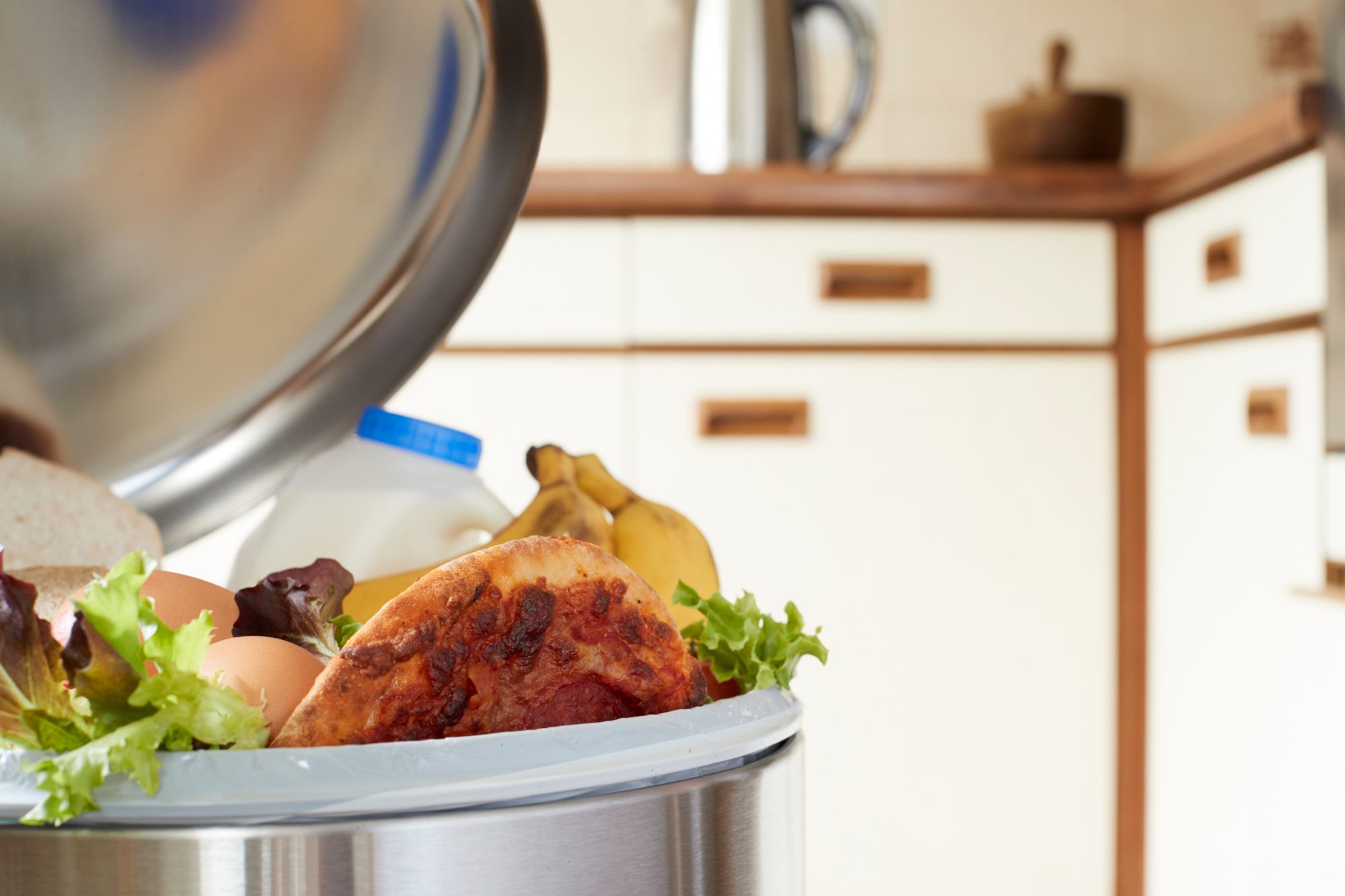
Food waste is something many of us want to reduce, but it can feel difficult when life gets busy. The good news is that cutting food waste doesn’t mean completely changing what you eat or becoming a master meal planner overnight.
Edward and Emma from Herb Fed Poultry believe that small, practical changes can make a big difference over time.
“Most food waste doesn’t happen because people don’t care,” says Edward. “It’s usually just down to busy lives, overbuying or forgetting what’s in the fridge.”
Here are ten simple ways to waste less food at home.
Before heading to the supermarket, take a quick look through your fridge, freezer and cupboards. It sounds obvious, but many people buy items they already have.
Emma says, “A quick check before shopping often stops you buying duplicates that end up going to waste.”
Chicken freezes very well, which makes it perfect for avoiding waste.
“If you know you won’t cook your chicken in the next day or two, pop it straight into the freezer,” Edward advises. “It will keep perfectly until you’re ready to use it.”
This works especially well with chicken breasts, thighs or whole birds.

Cooking a little extra can save both time and food.
For example, a roast chicken on Sunday can easily become chicken sandwiches, wraps or a stir fry the next day.
“Leftover roast chicken is incredibly versatile,” says Emma. “We often use it in meals for the following week and enjoy a mini roast with the leftovers the next day!”
Correct storage makes a huge difference to how long food lasts. Small storage habits can easily add several days to a product’s life.
Keep raw meat like chicken in the coldest part of the fridge and ensure it’s well sealed. Fresh vegetables also last longer in the correct drawers or containers.
Your freezer is one of the best tools for preventing food waste.
Many foods freeze well, including bread, cooked meals, sauces and raw ingredients.
Edward explains, “People often forget how useful the freezer is. It’s like a pause button for food.”
Buying a whole chicken can actually help reduce waste.
You can roast it for dinner, use leftover meat for other meals and then simmer the bones to make homemade stock.
“It’s amazing how much you can get from one bird,” says Emma. “Nothing needs to go to waste.”
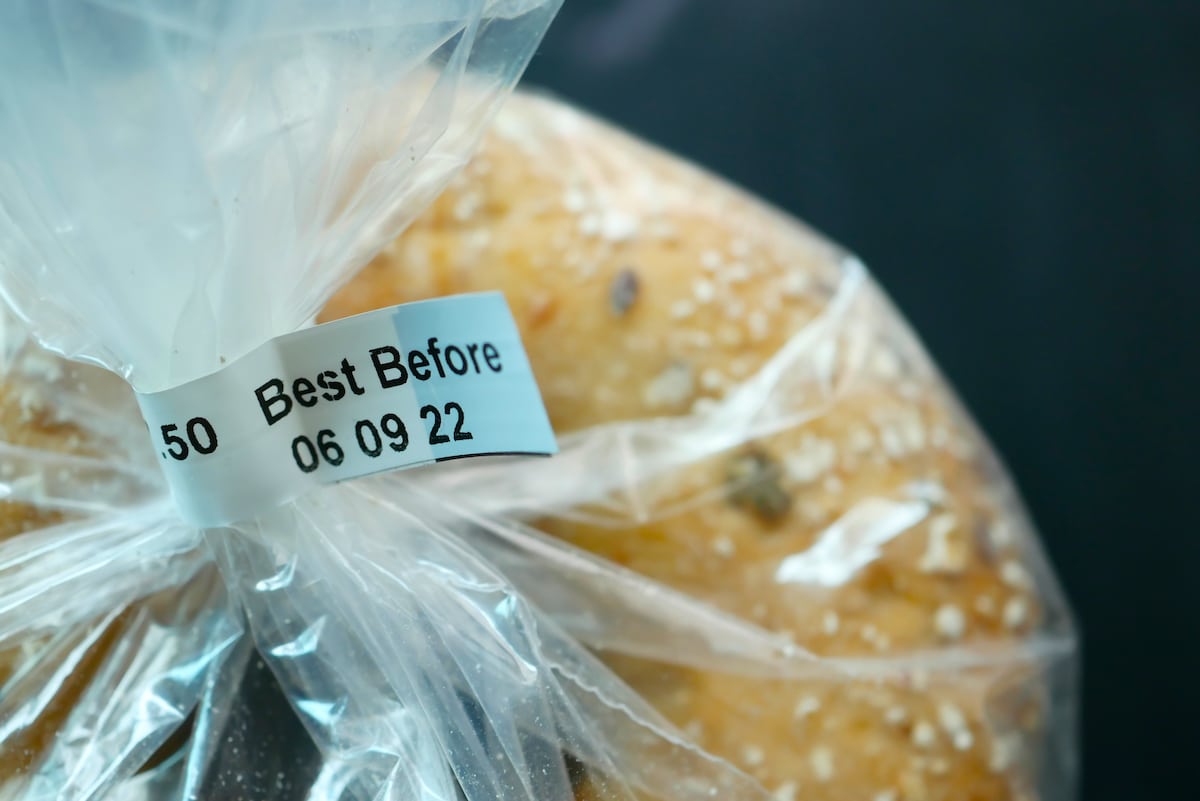
Many people throw away perfectly good food because they misunderstand labels.
“Best before” dates relate to quality, not safety. In many cases food can still be perfectly fine after that date if it has been stored properly.
Trust your senses as well as the label.
You don’t need a strict weekly meal plan, but having a few flexible meal ideas can help you use up ingredients.
Dishes like stir fries, pasta, soups and omelettes are great for using whatever you already have in the fridge.
Leftovers don’t have to feel repetitive.
Roast vegetables can become soup, cooked chicken can become pasta filling, and yesterday’s potatoes can be turned into a hash or frittata.
Emma says, “A little creativity with leftovers goes a long way.”
Reducing food waste doesn’t have to happen overnight.
Even adopting two or three of these habits can make a noticeable difference over time.
Edward adds, “When you think about the time and care that goes into producing good food, wasting less of it just makes sense.”
With a few small changes, it’s surprisingly easy to cut down on food waste while still enjoying all your favourite meals.
And as Emma says, “Good food should always be enjoyed – not thrown away.”